

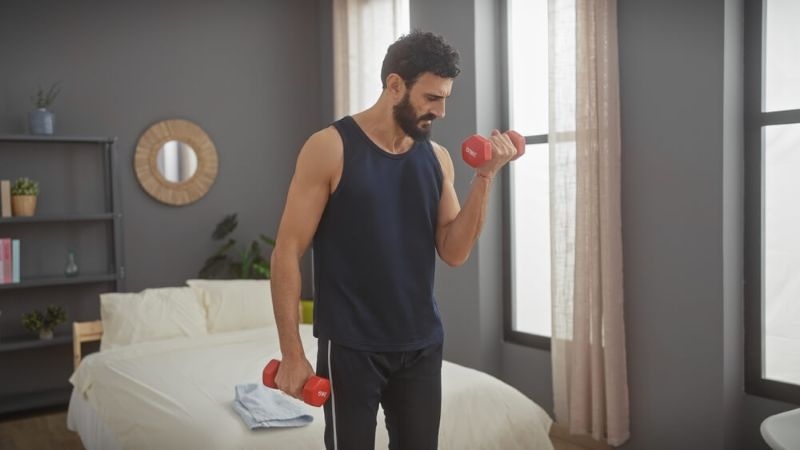
The concept of working out at home is changing how people view physical activity. Working out at home can eliminate travel time, save money, and provide access to physical activity as an extension of daily life. Having no equipment, simple workout exercises, and beginner workout routines make following a fitness routine at home much easier and less complicated. The key to daily fitness is to make sure the routines are easy to repeat and simple enough to do, rather than striving for perfection.
Home workout routines will be explained clearly in this guide, detailing the proper steps for developing habits for working out at home. The guide will focus on exercises that don't require equipment, beginner workout routines, and long-term home fitness objectives without extreme methods.
Home workout routines fit into real schedules. There is no need to wait for machines or worry about gym rules. What this really means is that daily fitness feels more doable and less forced.
Benefits include
Fitness at home allows routines to match energy levels. Some days are slow, some faster, and that is okay.
The first step in creating a workout-at-home plan is to get to know your body and avoid copying someone else’s elaborate workout. For beginning exercisers, it is the simple movements that are repeated multiple times that provide the most benefit.
Before starting:
A home workout should be supportive, rather than punishing. Consistently making little progress will develop more strength than infrequent, intense workouts.
No equipment exercises rely on body weight. These movements train muscles to work together, which helps balance and posture.
Common no-equipment exercises include
These exercises suit home fitness because the space needed stays small. A quiet room works fine, even shared spaces most days.
Beginner workouts should remove fear. Many stop exercising because routines feel too hard at first.
A simple beginner workout structure
Home workout routines for beginners focus on learning form, not speed. Progress happens when movements feel more confident over time.
Daily fitness does not mean long workouts every day. Short sessions add up and protect energy levels.
Here’s the thing: daily fitness improves when expectations stay realistic. Even 15 minutes of a home workout keeps the habit alive.
Ways to support daily fitness
Fitness at home works best when routines feel familiar, almost dull, because boring habits stick.
Home workout routines work well with simple weekly plans. Variety helps muscles recover and prevents burnout.
A balanced weekly example
Workout-at-home plans like this support daily fitness while allowing rest, which many forget matters.
Safety matters when it comes to fitness at home, especially without trainers nearby. Proper form matters more than repetition.
Safety tips include
Equipment exercises may look easy, but rushing them can lead to strain. Home workout routines reward patience.
Motivation fades when goals feel distant. Home workout routines succeed when progress feels visible.
Helpful motivation ideas
Workout-at-home success often comes from routine, not excitement. What this really means is showing up counts more than pushing limits.
Fitness at home works across ages when routines are correctly adjusted. Younger people may move faster, while older adults benefit from stability-focused exercises.
Home workout routines adapt easily.
Daily fitness should feel safe and manageable, no matter age or experience.
Mistakes slow progress more than a lack of effort.
Common issues include
Workout-at-home plans work best when simple and repeated. Overloading routines causes fatigue, not results.
Fitness at home is not a short-term challenge. It becomes part of daily life when routines feel natural.
Home workout routines stick when
No-equipment exercises allow routines to continue anywhere, even while traveling or during busy weeks.
With at-home workout programs, you can improve strength, balance, and overall physical fitness with little to no equipment. Effective home exercise programs enable you to accomplish your goals on your own timeline without relying on another person for guidance. Consistency with small efforts leads to significant, long-term successes and results!
Aim for 20 to 30 minutes to start. Even 10 minutes of focused movement is infinitely better than zero. It’s about frequency, not just duration.
Play energetic music or follow along with a fun workout video. Working out with a friend over video call can add accountability and make it social.
Results take time and consistency. Ensure you’re challenging yourself by adding reps or slowing down. Also, pay attention to your nutrition and sleep, as they are crucial partners to exercise.
Absolutely. Any movement increases the calories you burn. Combining consistent beginner workouts with mindful eating is a practical and healthy approach to long-term weight management.
This content was created by AI