

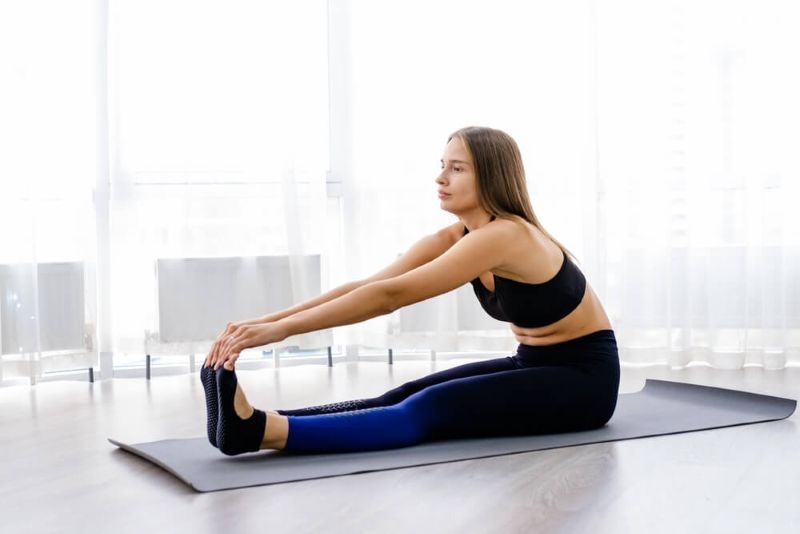
Yoga for beginners is a gentle way to move the body, calm the mind, and build healthy habits that last. This beginner’s guide provides steps for beginners, beginner yoga poses, benefits of yoga, a daily yoga routine for beginners, flexibility exercises, and stress management tips that make the body loose and the mind steady. Keeping expectations low is very important when doing yoga for beginners because that is where success begins. Yoga for beginners works best when expectations stay small. A mat, a quiet space, and a few minutes are enough. Progress happens over time, not in one class, and that idea matters a lot.
Yoga for beginners means learning how to move with care while breathing in a calm way. It is not about touching toes on day one. It is about noticing the body and letting it change slowly. Many styles exist, yet beginner paths focus on safety and ease.
Yoga for beginners usually includes
Yoga benefits start showing when practice feels kind, not forced. That is why beginner yoga poses are kept simple and steady.
Yoga benefits go beyond stretching muscles. The practice helps the whole system work better, even when sessions stay short. Over time, changes feel natural and lasting.
Common yoga benefits include
Yoga for beginners often brings a sense of calm early on. Stress relief appears as breathing slows and muscles soften. These changes may feel small, yet they add up.
Beginner yoga poses build strength and comfort at the same time. Each pose teaches body awareness and steady breathing. These poses appear often in yoga for beginners classes and home routines.
Mountain Pose looks simple, but it teaches alignment. Feet stay grounded, spine lifts tall, and shoulders relax. Breathing stays slow and even. This pose improves posture and focus.
Child Pose offers rest between movements. Knees bend, hips sink back, and the forehead lowers. This pose supports stress relief and helps the body reset.
Cat Cow moves the spine gently. The back rounds and arches with each breath. Flexibility exercises like this warm the body and reduce stiffness.
Downward-facing dog stretches the back, legs, and arms. Knees may stay bent, and heels do not need to touch the floor. Comfort matters more than shape.
Beginner yoga poses should never cause sharp pain. Adjustments are part of learning and show respect for the body.
A daily yoga routine does not need one full hour. Ten to twenty minutes works well for yoga for beginners. The key is consistency, not length.
A simple daily yoga routine may look like
This structure maintains active body involvement and aids in stress reduction. Weeks pass, and flexibility exercises become easier. Body movements become smoother.
Flexibility exercises in yoga work to improve ranges of motion gradually. When one exercises in these exercises, they risk straining themselves, but patience is still important. Yoga for beginners always encourages gradual improvements.
Helpful flexibility exercises include
While taking deep breaths during the execution of flexibility exercises can allow for muscle relaxation. The positive benefits of yoga increase with relaxing stretches, as opposed to rushed stretches.
Stress relief is one of the most popular yoga benefits. "When you breathe slowly, you're telling your nervous system to calm down." Moving slowly releases tension stored in the muscles.
Simple stress relief practices used in yoga for beginners include
These practices help promote feelings of calm during and after practice. Relief from stress is easily obtained even outside of yoga practice.
Yoga for beginners can be practiced best by avoiding common mistakes. Learning the common mistakes beforehand can help beginners avoid them.
Mistakes to watch for
Beginner yoga poses must make a student feel comfortable, not stressed. Listening to the body is a key component for success.
A calm space helps yoga for beginners feel welcoming. The area does not need to be large or fancy. It only needs to feel safe and quiet enough.
Helpful tips for setup
A comfortable space supports a daily yoga routine and keeps motivation steady.
Yoga for beginners can be practiced three to five times per week. Some people choose daily yoga routine sessions, while others prefer rest days. Both options work.
Short sessions often support yoga benefits better than rare long sessions. Flexibility exercises respond well to frequent gentle movement.
Consistency shapes results in yoga for beginners. Even slow progress counts. Skipped days happen, and that is okay.
What matters most
The benefits of yoga grow quietly over time. Stress relief feels deeper when practice stays regular.
Yoga for beginners provides an avenue for building up strength, calmness, and balance. Through simple yoga poses and flexibility, as well as building up a daily yoga routine, the benefits of yoga accumulate. It gets progressively easier to reduce stress and makes you feel supported.
Yoga for beginners is generally safe for all ages when poses are modified. Consulting a healthcare provider is wise for those with health concerns.
Yoga benefits may appear within a few weeks. Improved mood, better sleep, and reduced stress relief are often noticed early.
A daily yoga routine supports strength and flexibility exercises. Some people still add walking or light cardio for balance.
Beginner yoga poses need little equipment. A mat and comfortable clothing are enough to begin.
This content was created by AI