

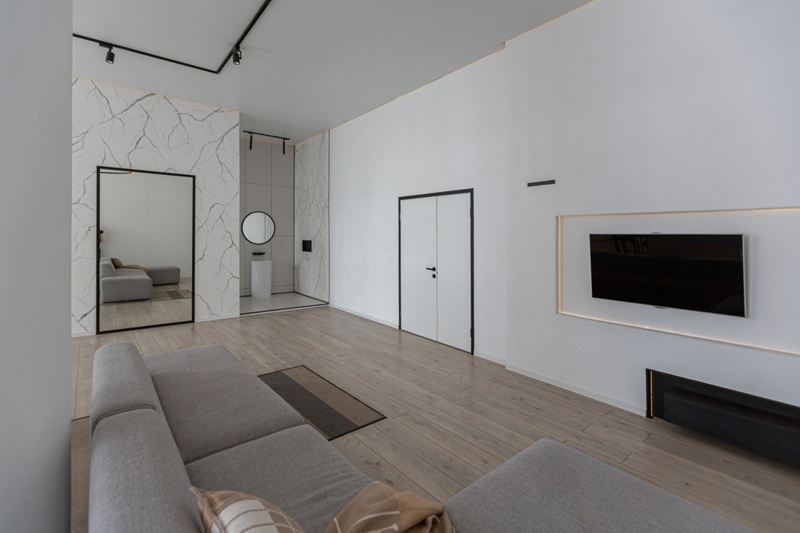
Minimalist lifestyles have little to do with owning no possessions or foregoing basic comforts; instead, minimalist living simply requires determining what is essential and eliminating everything else that is unimportant. Minimalist living shares a common foundation with most other simple lifestyle ideas, intentional lifestyles, and habits we use daily to help me find calmness (the goals). The processes for removing excess clutter through decluttering guidebooks will assist us in our quest to avoid accumulating and retaining unnecessary possessions; benefits will come gradually in the areas of focus, time, and peace from minimalist living.
In other words, to many people, minimalist living appears to offer fewer rules and a sense of release from the burden of too many “things” in their lives. In this guide, we explain the principles and concepts of minimalist living using a grounded approach, with step-by-step examples of how I have created a less cluttered, more intentional lifestyle.
Living a minimal lifestyle is about having things that add value and letting go of distractions. It's not about having one specific look.
Key ideas behind minimalist living
Intentional living sits at the center of minimalist living. Lifestyle habits change slowly, not all at once.
People choose minimalist living for different reasons. Some want less stress; others want more time or clarity.
Common reasons include
Minimalism's benefits often appear quietly. Relationships with time, money, and energy start to shift.
Simple lifestyle tips help turn ideas into action. Small changes matter more than dramatic ones.
Helpful, simple lifestyle tips include
Minimalist living grows through repetition. Lifestyle habits adjust naturally when pressure stays low.
A decluttering guide helps you get started without stress. Decluttering does not need to happen in one day.
A gentle decluttering guide approach
Minimalist living becomes easier when decluttering feels manageable. The benefits of minimalism appear faster when clutter is reduced slowly and intentionally.
Minimalism benefits reach beyond physical space. Emotional and mental clarity often follow.
Common minimalism benefits include
What this really means is that less stuff creates more room for life. Intentional living becomes visible in daily choices.
Intentional living means choosing actions with awareness. It applies to time, energy, and attention.
Examples of intentional living
Minimalist living supports intentional living naturally. Lifestyle habits shift toward what feels purposeful.
Home spaces reflect habits. Minimalist living in the home creates calm environments.
Ways to apply minimalist living at home
A decluttering guide helps maintain balance. Simple lifestyle tips keep spaces from refilling quickly.
Clothing often becomes a starting point for minimalist living. Closets show habits clearly.
Minimalist clothing ideas
Minimalism benefits show up as more leisurely mornings. Intentional living feels simpler when choices are reduced.
Minimalist living also applies to digital spaces. Phones and devices hold clutter, too.
Digital decluttering guide steps
Lifestyle habits improve when digital noise reduces. Minimalism benefits include better focus and fewer distractions.
Daily practices shape long-term outcomes. Routine maintenance can help you keep a consistent routine.
Routine-focused tips include:
Minimalistic living is easier to maintain with a predictable rhythm. Intentional living will be easier when your days aren’t rushed.
Minimalist living often changes spending habits. Awareness replaces impulse.
Financial minimalism ideas
Minimalism benefits include financial clarity. Lifestyle habits adjust as priorities become clearer.
Minimalist living affects relationships, too. Time and attention become more available.
Relationship-focused benefits
Intentional living supports deeper connections. Minimalism benefits show up through shared experiences, not shared things.
Clutter is not only physical. Emotional clutter affects clarity.
Ways to declutter emotionally
Minimalist living encourages emotional awareness. Lifestyle habits change when emotional space increases.
Work environments benefit from minimalist living principles.
Work-focused decluttering guide
Minimalism benefits include productivity and calm. Intentional living at work supports better focus.
Some mistakes make minimalist living feel stressful.
Common issues include
What this really means is that flexibility matters. Simple lifestyle tips work best when adapted to your personal needs.
Lifestyle habits shape minimalist living long-term. Sustainability matters more than speed.
Habit-building ideas
Minimalist living stays stable when habits feel natural. Intentional living supports consistency.
Minimalist living works for families with shared effort.
Family-friendly ideas
Minimalism benefits families through reduced stress. Decluttering guide steps become learning moments.
Living a simple life will often be better for your mental health.
Benefits of mental wellness
Emotional Balance through Intentional Living. Habits that fit your personal beliefs.
Minimalist living is ongoing, not a finish line.
Maintenance tips
The benefits of minimalism persist when habits remain intentional. Simple lifestyle tips prevent backsliding.
Minimalist living supports intentional living through simple lifestyle tips, clear decluttering guide steps, and steady lifestyle habits. With patience and awareness, the benefits of minimalism extend beyond space into time, focus, and peace. Choosing less helps make room for what matters most each day.
Minimalist living means keeping what adds value and removing what distracts from daily life.
Simple lifestyle tips make minimalist living easier by turning ideas into daily habits.
No, the benefits of minimalism include mental clarity, better focus, and improved relationships.
Intentional living guides choices, helping minimalist living stay meaningful and sustainable.
This content was created by AI