

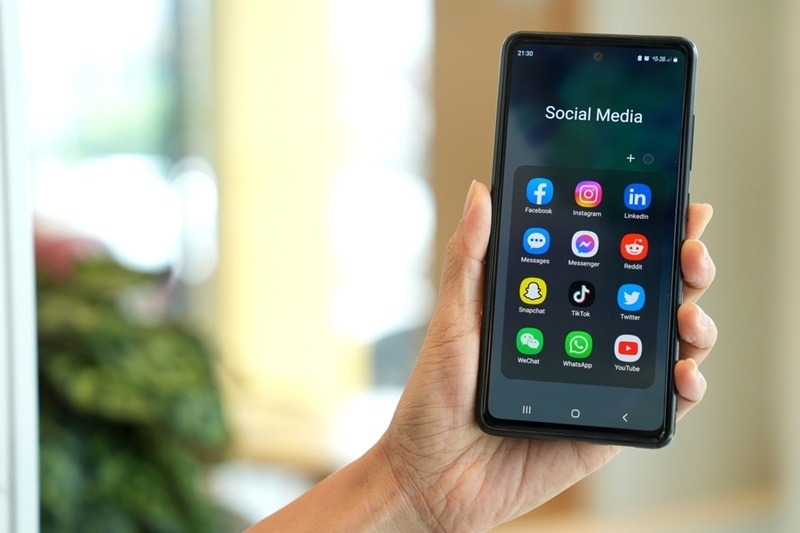
People used to ask, “Did you hear the news?” Now it’s more like, “Did you see the post?” That shift sounds small, but it’s huge. In just a couple of decades, social media moved from a fun internet hobby to a daily infrastructure. It’s where friendships form, breakups get announced, careers launch, and communities argue about everything from politics to pineapple on pizza.
And the thing is, it’s not only about entertainment. These apps quietly change habits, attention spans, and even how people think about themselves. Some changes feel empowering. Others feel… complicated. Like when someone closes an app and still feels mentally loud.
This is a clear look at what’s happening, why it matters, and what society is becoming in the process.
social networking apps have rewired what “keeping in touch” means. A person can maintain weak ties with hundreds of people while barely speaking to the neighbor next door. That sounds like a complaint, but it’s also a real advantage. Old classmates, long-distance cousins, former coworkers, people met once at a wedding, they’re all still reachable.
The bigger change is speed. Communication used to be slower and more deliberate. Now it’s constant, casual, and public. That affects how people share. It affects how people perform. It affects how people compare.
It also changes how community forms. Instead of geography, people bond over identity, interests, and niche hobbies. Fans, gamers, new parents, fitness beginners, book lovers, small business owners, all finding their people through online communities that don’t require living in the same city.
And that’s not nothing. For many, those spaces feel like relief.
Texting already changed relationships. Social media multiplied it. Today, digital communication includes reactions, stories, DMs, voice notes, comments, likes, and the subtle art of being “active” but not replying.
That creates new social rules that nobody formally agreed to, but everyone feels anyway. Is it rude to watch someone’s story and not respond? What does it mean if someone stops liking posts? Why does a “seen” notification feel like rejection?
It’s messy. Humans were not designed for micro-signals at this scale.
At the same time, social networking helps relationships survive distance. It helps families share moments. It helps friends stay connected even when life is busy. A quick message, a photo, a funny reel, it can be a tiny bridge that keeps people from drifting too far.
So yes, it complicates things. It also saves some connections that would have faded.
In a lot of ways, social platforms became the modern public square. People debate, organize, fundraise, learn, vent, and build movements. Information moves fast. Sometimes too fast.
When news breaks, people don’t wait for the morning paper or even a TV broadcast. They open an app. They refresh. They share. They react. Society experiences events together in real time, for better and for worse.
The upside is visibility. Voices that once struggled to be heard can now find an audience. Creators can earn a living without a gatekeeper. Small businesses can market without a massive budget.
The downside is noise. Misinformation spreads easily. Outrage spreads even faster. Algorithms reward intensity, not nuance. A calm, thoughtful take often loses to a dramatic one, even if the calm one is right.
And because these platforms are designed for engagement, they can nudge people into extremes without anyone noticing the nudge.
Let’s talk about the habit side, because this is where things get personal. app usage isn’t only about time spent. It’s about mental space. People might scroll for five minutes and still feel distracted for an hour afterward. It’s not always the length, it’s the switching.
These apps are built around quick hits: new content, new notifications, new reasons to check again. The brain likes novelty, so it keeps coming back. That’s not a moral failure. That’s basic psychology.
But when a society runs on constant checking, attention gets chopped into smaller pieces. Work gets harder. Deep focus feels rarer. Even relaxation can feel interrupted, like the mind is waiting for the next buzz.
A useful question is simple: does the app leave a person feeling connected or depleted? Some days it’s both. That’s the tricky part.
Social media doesn’t only shape friendships. It shapes careers. Hiring, reputation, business growth, even professional identity, all touched by what people post and how they show up online.
Modern networking trends include building a personal brand, joining niche professional groups, and connecting with industry peers across countries. A person can find mentors, clients, collaborators, and job opportunities without going to a single physical event. That’s powerful.
It also puts pressure on people to be “visible.” Not everyone wants to post content just to stay relevant. Some people are brilliant and quiet. Social media sometimes rewards loudness more than skill, which can feel unfair.
Still, for small businesses and freelancers, these apps can level the playing field. A great product and consistent content can compete with bigger brands. That’s a real shift in how economic opportunity works.
One of the most meaningful benefits of social networking is belonging. When someone feels isolated in real life, finding people who share their experience can change everything. Support groups, cultural communities, mental health spaces, parenting circles, hobby communities, they can offer comfort and practical help.
This is where online communities really shine. People share advice, resources, and a sense of being understood. Sometimes strangers show up with more empathy than someone’s own circle. That’s surprising, but true.
At the same time, identity can become tightly tied to online spaces. When people spend hours in a community that reinforces one perspective, that perspective starts to feel like the only reality. That can create polarization.
So the same structure that creates belonging can also create echo chambers. It depends on what a person follows and how the platform feeds content back to them.
Social media can motivate people, teach skills, and inspire creativity. It can also make people feel behind. Behind in success, relationships, body image, lifestyle, happiness. Because everyone posts highlights, not the boring or painful parts.
That is where digital communication gets complicated. When connection is filtered and curated, it can distort reality. People compare their messy day to someone else’s polished moment.
The healthiest approach is awareness. Not quitting necessarily. Just noticing. Noticing when a platform makes someone tense. Noticing when they scroll to avoid feelings. Noticing when the app becomes a substitute for rest.
That awareness helps people use these tools instead of getting used by them.
It’s worth zooming out. Society is living through a communication revolution, and it’s still new. social platforms shape how culture spreads, how opinions form, and how groups organize. app usage patterns influence attention, sleep, and daily mood. networking trends are changing careers and business growth. And yes, social networking apps will keep evolving, because they now sit at the center of social life for millions of people.
The future likely isn’t “apps are good” or “apps are bad.” It’s “apps are powerful,” and society needs to get better at using them with intention.
That means better digital literacy. Better boundaries. Better platform design. And honestly, better personal habits too.
People don’t need a perfect system. They need a few guardrails.
Some practical ideas:
Small changes can shift the experience from draining to useful. Not always. But often.
They are built around novelty and rewards like likes, comments, and new content. That pattern encourages frequent checking and can turn into a habit quickly.
They can be both. They provide belonging and support, but they can also create echo chambers if people only consume one viewpoint without balance.
Start with small boundaries: fewer notifications, a daily time limit, and a more intentional feed. Paying attention to mood after scrolling helps too.
This content was created by AI