

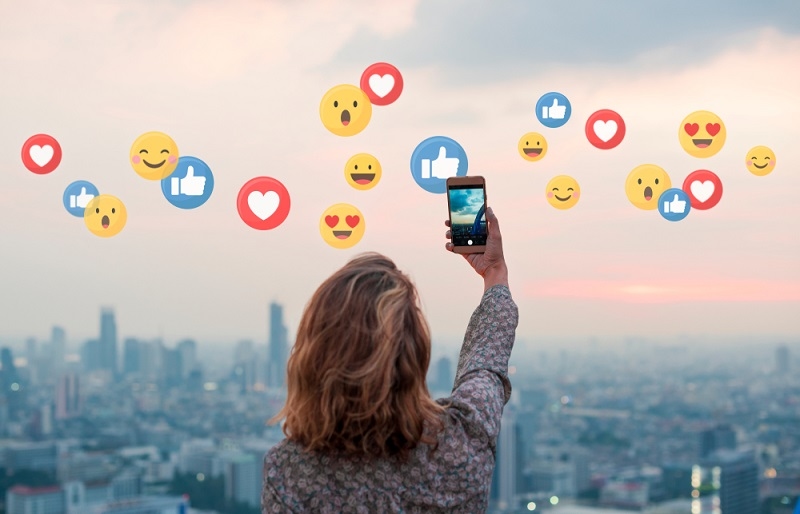
Social media in the U.S. doesn’t just change year by year. It shapeshifts. One minute it’s memes and dance clips, the next it’s long-form conversations, private communities, and AI-powered feeds that seem to know you a little too well. In 2026, social platforms feel less like loud public squares and more like living rooms, marketplaces, and sometimes even therapy couches. This blog walks through the biggest social media trends shaping how Americans scroll, share, shop, and speak online, from trending platforms to shifts in online behavior, viral content formats, and the subtle ways digital culture keeps rewriting the rules.
This year’s social media trends feel more personal, more intentional, and occasionally contradictory. People want to reach, but also privacy. They want fast content, but also meaning. That tension defines almost everything happening right now.
Algorithms in 2026 don’t scream for attention anymore. They whisper. Platforms like Instagram, TikTok, and YouTube now prioritize relevance over raw virality. You’ll notice fewer random posts and more content that quietly fits your habits, mood, and even time of day.
Honestly, it feels like your feed knows when you’re half-awake with coffee versus when you’re ready to think. That shift has changed online behavior in subtle ways. People scroll less aggressively. They pause more. And when something lands, it really lands.
Here’s the thing. Comments aren’t an afterthought anymore. They’re the show. Creators are designing posts that invite conversation rather than applause. Platforms reward that back-and-forth energy because it signals real engagement, not passive scrolling.
You’ll see creators pinning thoughtful comments, replying with video responses, or turning discussions into follow-up posts.
Every year, someone asks, “Is this the year a new app replaces everything?” The answer for 2026 is nuanced. No single platform dominates, but several are carving out serious space.
TikTok, Reels, and Shorts still rule, but the content feels different. Less chaos, more clarity. Educational clips, mini-documentaries, and storytelling formats are pulling strong numbers.
Brands have noticed too. Ads are softer, more narrative-driven, and sometimes hard to spot at first glance. That blend of entertainment and intent is now the norm.
Apps like Discord, Geneva, and even private Facebook Groups are quietly thriving. People want smaller circles where conversation doesn’t feel performative.
You know what? It’s not about going viral anymore for many users. It’s about being understood by the right people. That shift is reshaping social media updates across industries, especially wellness, gaming, and education.

Viral content in 2026 isn’t always loud or outrageous. In fact, the most shared posts often feel calm, relatable, or oddly specific.
Gone are the days when extreme stunts guaranteed attention. Now it’s the small truths that travel fast. A 20-second video about burnout. A carousel explaining why people miss malls.
These moments spread because they feel human. And humans still run the internet, despite all the tech.
Remixes aren’t just dances anymore. People remix opinions, tutorials, and even brand messages. One post sparks ten responses, each adding a layer.
This chain reaction style of sharing has become a core part of digital culture. It keeps conversations alive longer and makes creators feel like collaborators rather than performers.
AI didn’t take over social media in a dramatic way. It blended in. And that’s what makes it powerful.
Tools inside platforms help users generate captions, video edits, and even post ideas. But the smartest creators use AI as a sketchpad, not a final draft.
Audiences can tell when something feels over-polished. The charm is in imperfection. Slight pauses. Natural phrasing. A bit of rambling. Ironically, AI has pushed people to sound more human.
Feeds adapt not just to what you like, but also to how you interact. Do you watch quietly or comment? Save posts or share them? Platforms respond in real time.
This level of personalization changes habits. People become more selective, more aware of their digital footprint, and sometimes more protective of their time.
Shopping on social media isn’t a trend anymore. It’s routine.
Instagram Checkout, TikTok Shop, and YouTube product tagging have removed friction. If curiosity hits, purchase is two taps away.
What’s interesting is how casual it feels. A creator mentions a hoodie in passing. Someone buys it. No hard sell. No pressure. That’s digital culture at work.
Americans in 2026 trust people more than ads. Micro-creators with loyal followings outperform celebrity endorsements in many niches.
People want context. Why do you use this? When do you not use it? That honesty drives conversions more than glossy campaigns ever did.
This might sound odd, but slower content is trending.
Think 5-minute videos, thoughtful threads, and carousels that actually require reading. Platforms are rewarding time spent, not just clicks.
It’s not about going back to blogs. It’s about depth. People want substance when the topic matters, especially around finance, health, and career growth.
More users are setting limits, muting keywords, or scheduling offline hours. It’s not anti-social media. It’s selective use.
That change in online behavior is forcing platforms to compete on quality, not addiction. And that’s a quiet but important shift.
Social media trends don’t exist in a vacuum. They mirror what’s happening offline.
People use platforms to explore identity, share lived experiences, and find community. These conversations are nuanced, sometimes messy, but deeply real.
Brands entering these spaces have to tread carefully. Listening matters more than speaking.
Memes in 2026 feel sharper, more self-aware. They reference history, pop culture, and even platform quirks.
It’s humor that rewards attention. Blink, and you miss the joke. And honestly, that’s half the fun.
Social media in the U.S. is growing up. It’s less about chasing trends and more about understanding people. Platforms are evolving, but users are evolving faster. They know what they want, what they’ll ignore, and what feels fake from a mile away. The social media trends of 2026 show a clear pattern. Authenticity wins. Community lasts. And attention is earned, not stolen.
Personalized feeds, community-driven platforms, and relatable viral content define the year. Users value meaning over noise.
Short video apps still dominate, but private community platforms are gaining strong momentum in the U.S.
It’s less about shock and more about shared emotions, everyday truths, and remix-style conversations.
People aren’t leaving platforms, but they’re using them more intentionally with clearer boundaries.
This content was created by AI